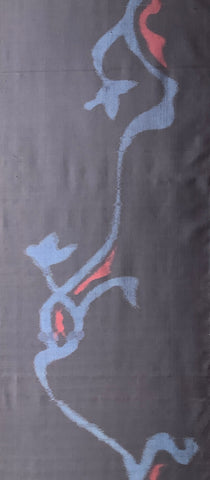
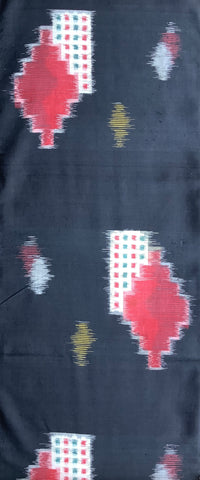
8155:1930-50s Japanese Meisen Cotton 66in.Pc Deadstock, Geometric Horizontal Bands, Vases-Flowers


1930s-1950s Japanese Textiles:
Deadstock Japanese Kimono Meisen (Ikat-weave) Cotton Fabric Piece
(FutonGawa, Medium Weight, for Futon Cover)
Catalog #: 8155
Width: 13.5 inches / 34.29 cm
Length: 66 inches / 167.64 cm
US$18.00 per piece plus shipping

Item Details and Description
-
Fabric History/Pedigree: 1950s or earlier cotton ikat Meisen-type weave fabric pieces from a deadstock roll found with other similar old fabrics; Japan factory-sourced.
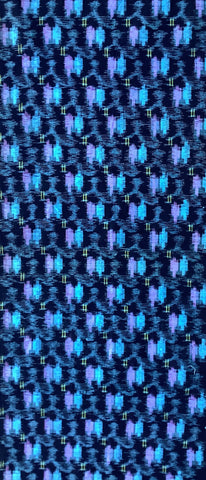
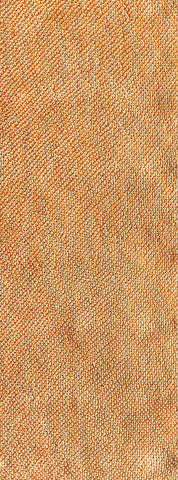
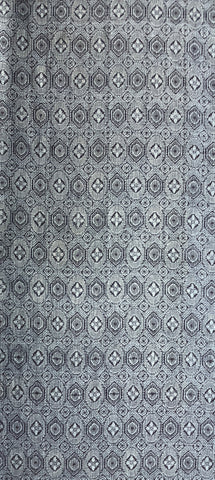
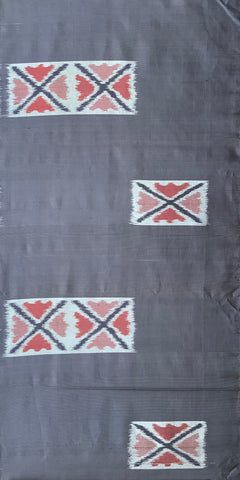
- Fabric Description: dark orange background mixed in hateral bands of Meisen cotton, originally for utilitarian purposes, primarlly futon covers (futongawa) alternating horizontal bands (depths average 8.5 inches / 21.59 cm); light-medium weight with slight translucence (breathes); these horizontal bands alternate with orange-backgournd and Marigold and wild flowers, while the larger dark-green and black vase are behind large chrysanthemum bands; other background colors are off-whtie, gray, light peach with equidistant lateral pinstripes other horizontal bands Typical of the meisen=type fabrics of this period, this design has intentionally fuzzy edges to all figures, same on both sides; minimal sheen; less stiff than many other 1930s Meisen pieces we see.
-
Colors: Please NOTE that colors and contrast differ on each device, so please use our text descriptions to complement your sense of the fabric.
-
Condition: Excellent.
- Recommended for making scarves/accessories.
Background Information on Meisen Kimonos:
"...Young women have rediscovered(Japan Times) the kimono, and you can see them out in Harajuku on the Sunday fashion parade. There's even a term for these girls -- not surprisingly they are called "kimono girls." There are even some nice books documenting the trend which you can check out at J-List and are definitely worth having if you are at all into fashion.
"The meisen kimono in particular has become very popular. These kimono were made in the first half of the twentieth century, and were characterized by a glossy sheen, and brilliant patterns. There is often a sort of blurry quality to the silks...."
[*original article has been pulled]

YokoDana Kimono
110-A: Authentic Traditional Vintage Japanese Kimonos for Women, 10lbs Bundles
$ 115.00

YokoDana Kimono
110-B: 10Lbs Vintage Japanese Kimono, "B"Package, Bulk Wholesale Kimono Cutters
$ 85.00

YokoDana Kimono
110-H3: Lot of 3 Vintage Japanese Woman's Hakama Non-split, ceremonial types, MockSilk
$ 105.00

YokoDana Kimono
110-MICH-5: Special Lot of 5 Vintage Silk,Silk Blend, Mock Silk Japanese Michiyuki Coats
$ 115.00

YokoDana Kimono
110-S 10Lbs Cosplay Kimonos:, "S Package" Synthetic-Poly, Mock-Silk Kimonos, Washables
$ 95.00

YokoDana Kimono
6923: 1930s-50s Deadstock Japanese Meisen Silk Fabric, 1 Yard
Regular price $ 20.00 Sale price $ 10.00
YokoDana Kimono
7069: 1970's Japanese Pongee Silk Ohshima Tsumugi, 38 inches
Regular price $ 12.00 Sale price $ 6.00