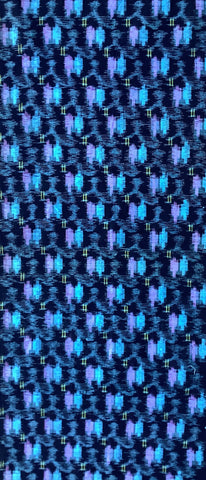
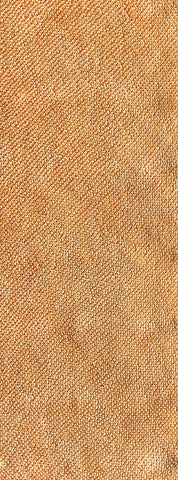
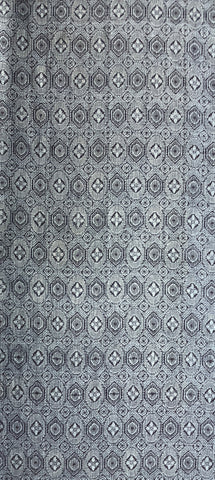
8147: 1960s Plant-Dyed Kusaki-zome Japanese Silk 2Yds Piece, Deadstock


Catalog# 8147
1960s Rare Japanese Textiles:
Plant-dyed Kusakizome Silk Fabric
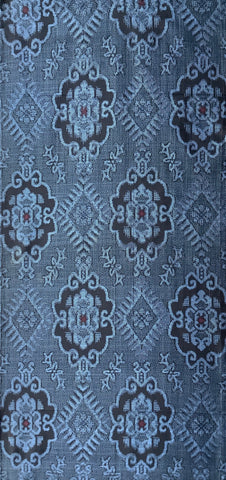
Geometric Classical Hishi-Koushi (Diamond Lattice Grid)
Floral/Other Medallions
Width: 14.125 inches / 35.88 cm
Length: 2 Yards / 1.828 m
US$25.00 per piece
Plus Shipping

Item Details and Description
-
Fabric History/Pedigree: Medium to heavy weight, deadstock cotton (new but unsold stock), estimated from the 1960s.
-
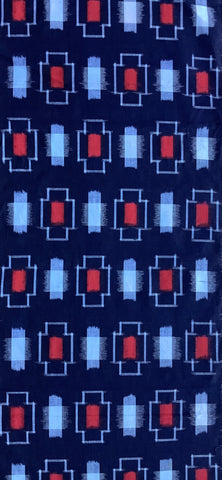
Fabric Description Details: This highly distinctive fabric is medium-weight not translucent a special plant=based dye method called Kusaki-zome, in this case, plants used were indigo and possibly other plant elements with dark to navy-blue background and full field of intricate lattice style grid with strong geometric quality, diamond shapes interlocking in symmetrical diamond lattice (hishi-koushi) with floral elements; colors in the elements are alternating ruddy-red, mustard and slightly ligher blue; Base fabric is natural silk color, so rendering off-white lines and figures to create the symmetrical geometric fabric pattern; the medallion elements average 2 inches / 5.08 cm in length; Designs are on one side only; silk is stiff and wrinkle-resistant naturally due to the dyeing method: The closeup of the 3 characters (kanji) is "Kusakizome" (kusaki-dyed, plant-based dyes).
Note: The first piece ordered will only have the end of the roll with the large Japanese character " kusakizome, " as seen in the top photo close-up
- Color Accuracy: Screen settings and contrast vary by device. Please refer to our text descriptions for the most accurate sense of the color.
BACKGROUND JAPANESE TEXTILES CULTURAL NOTES:
Various types of older Ohshima and other areas' Tsumugi silk involve using mud, indigo, and grass or plants in the dyeing process; this includes even chestnut or bark-based elements to create dyes, such as Kusaki-zome.
To learn about the older Ohshima textiles, there are details on that aspect of Japan's special pongee silk-making process which can be found on the National Foundation for Promoting the National Costume of Japan website. The site explains the natural plant dyes and mud, etc. used in making older (1960s and earlier) Ohshima Tsumugi silks, quoted here:

YokoDana Kimono
110-A: Authentic Traditional Vintage Japanese Kimonos for Women, 10lbs Bundles
$ 115.00

YokoDana Kimono
110-B: 10Lbs Vintage Japanese Kimono, "B"Package, Bulk Wholesale Kimono Cutters
$ 85.00

YokoDana Kimono
110-H3: Lot of 3 Vintage Japanese Woman's Hakama Non-split, ceremonial types, MockSilk
$ 105.00

YokoDana Kimono
110-MSN-H5: Lot of 5 - 1950s Meisen Haori (Kimono Coats), Cutters, Casual Wear
$ 115.00


YokoDana Kimono
110-S 10Lbs Cosplay Kimonos:, "S Package" Synthetic-Poly, Mock-Silk Kimonos, Washables
$ 95.00

YokoDana Kimono
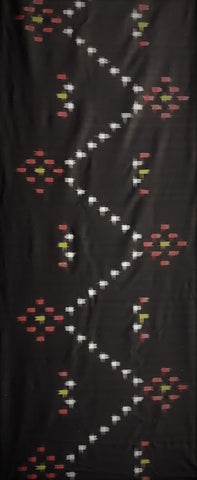
6923: 1930s-50s Deadstock Japanese Meisen Silk Fabric, 1 Yard
Regular price $ 20.00 Sale price $ 10.00
YokoDana Kimono
7069: 1970's Japanese Pongee Silk Ohshima Tsumugi, 38 inches
Regular price $ 12.00 Sale price $ 6.00