
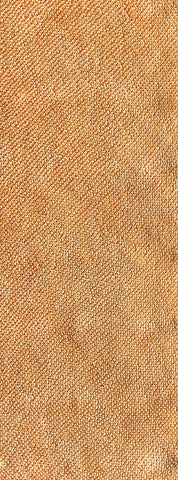
8025: 1960s Japanese Silk Ohshima Tsumugi, Tortoise Shell Pattern,Grid,61in. AraiHari


1930s-1950s Distinctive Japanese Textiles:
Catalog# 8025
Light Cocoa Browns/Tan Ohshima Tsumugi (pongee) Silk Fabric
Pixelated Weave Tortoise Shell Traditional Pattern
Width: 14 inches / 35.56 cm
Length: 61 inches / 154.94 cm
US$20.00 per piece
Plus Shipping

Item Details and Description
|
For an excellent 'how-to' do Arai-Hari oneself, we highly recommend Kae Warnock's Blog, Chocolate Factotum: |

Fabric Description Details:
This silk piece is light-medium weight, textured in light-cocoa-brown to dark tan background with full fabric pattern being a tiny element pixel mesh; elements have slight off-white threads; per the usual Ohshima Tsumugi weave/dye process. The fabric is the same on both sides; textured to the touch due tothe tortoise shell pattern.
Colors: Please use our text color descriptions to complement your sense of the fabric, taking into account differences in contrast and color on various devices.
BACKGROUND JAPANESE TEXTILES CULTURAL NOTES:
There are various types of older Ohshima Tsumugi silk that involve tsumugi using mud, indigo, and grass or plants in the dyeing process.
To learn about the older Ohshima textiles, there are details on that aspect of Japan's special pongee silk-making process which can be found on the National Foundation for Promoting the National Costume of Japan website. The site explains the natural plant dyes and mud etc. used in making older (1960s and earlier) Ohshima Tsumugi silks, quoted here:

YokoDana Kimono
110-A: Authentic Traditional Vintage Japanese Kimonos for Women, 10lbs Bundles
$ 115.00

YokoDana Kimono
110-B: 10Lbs Vintage Japanese Kimono, "B"Package, Bulk Wholesale Kimono Cutters
$ 85.00
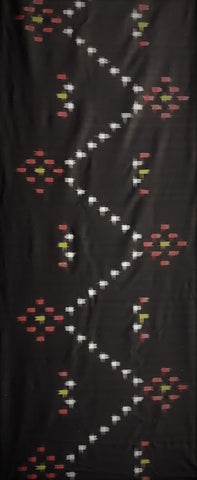
YokoDana Kimono
6923: 1930s-50s Deadstock Japanese Meisen Silk Fabric, 1 Yard
Regular price $ 20.00 Sale price $ 10.00
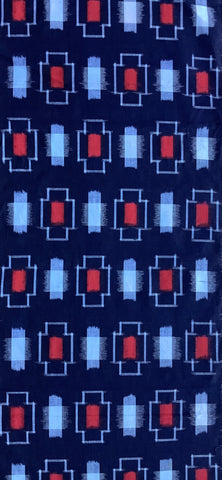
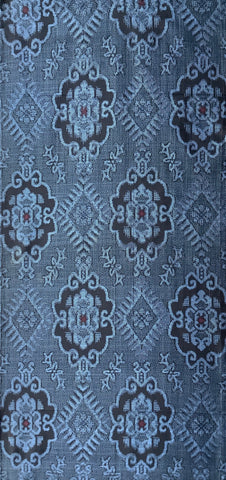
YokoDana Kimono
7069: 1970's Japanese Pongee Silk Ohshima Tsumugi, 38 inches
Regular price $ 12.00 Sale price $ 6.00
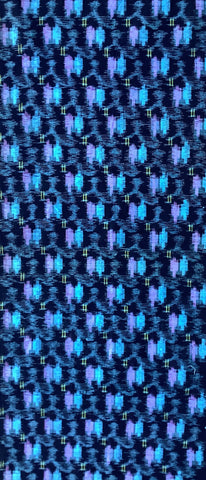

YokoDana Kimono
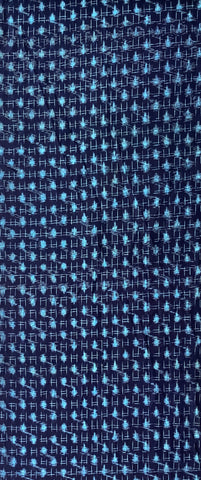
7261: 1930s-1950s Japanese Kasuri (ikat) Cotton Fabric 42in Piece(Arai-Hari)
$ 15.00