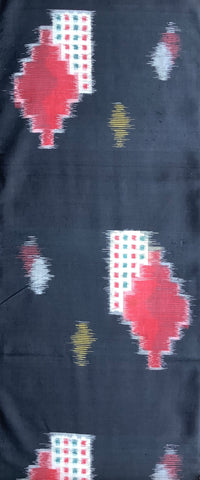
80182: 1930s-50s Mud-Dyed Japanese Silk Doro-Ohshima Tsumugi, Floral Medallions,58in. AraiHari


1930s-1950s Distinctive Japanese Textiles:
Catalog# 8018-2
Thin Summer Silk
Doro (Mud-dyed) Ohshima Tsumugi (pongee) Silk Fabric
Arai-Hari
Width: 14.25 inches / 36.2 cm
Length: 50 inches / 127 cm
US$20.00 per piece
Plus Shipping
Item Details and Description
|
For an excellent 'how-to' do Arai-Hari oneself, we highly recommend Kae Warnock's Blog, Chocolate Factotum: |

Fabric Description Details:
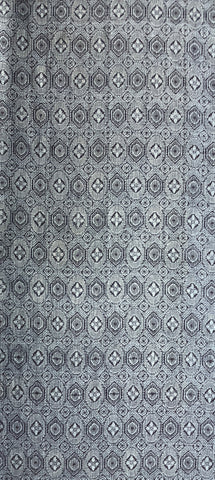
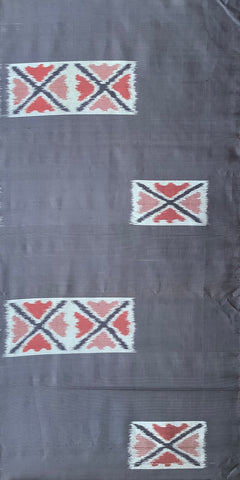
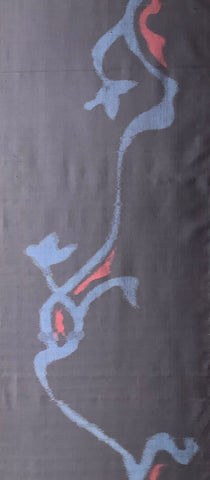
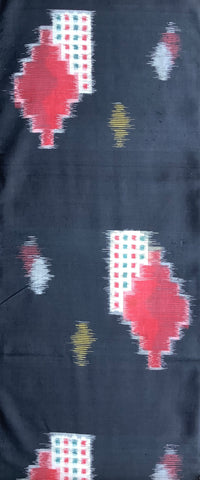
This thin, tanslucent summer lightweight silk piece is dark mud-brown (almost black) background with the ornate motifs as follow: Large floral medallions, 6 inches/15.24cm diameter, and smaller, simpler flowers (chrysanthemums), 4 inches/10.16cm diameter, with tasseled decorative cords cursively arranged between figures; The color of the designs is a vaer pale blue with light pastel silver-gray hues (colors vary with degree of lighting;please see closeups;
The fabric is the same on both sides; ; Kimonos made from Doro-Ohshima Tsumugi are held in high regard among kimono traditionalists in Japan, given that the Imperial family has been known to wear such fabric in royal kimonos.
Colors: Please use our text color descriptions to complement your sense of the fabric, taking into account differences in contrast and color on various devices.
BACKGROUND JAPANESE TEXTILES CULTURAL NOTES:
There are various types of older Ohshima Tsumugi silk that involve tsumugi using mud, indigo, and grass or plants in the dyeing process.
To learn about the older Ohshima textiles, there are details on that aspect of Japan's special pongee silk-making process which can be found on the National Foundation for Promoting the National Costume of Japan website. The site explains the natural plant dyes and mud etc. used in making older (1960s and earlier) Ohshima Tsumugi silks, quoted here:

YokoDana Kimono
110-B: 10Lbs Vintage Japanese Kimono, "B"Package, Bulk Wholesale Kimono Cutters
$ 85.00

YokoDana Kimono
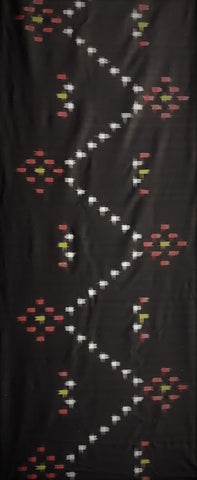
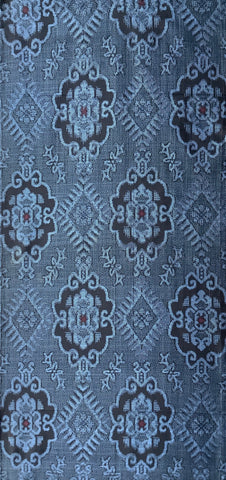
6923: 1930s-50s Deadstock Japanese Meisen Silk Fabric, 1 Yard
Regular price $ 20.00 Sale price $ 10.00
YokoDana Kimono
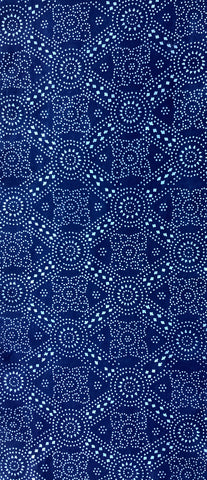
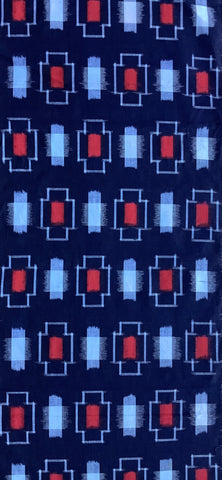
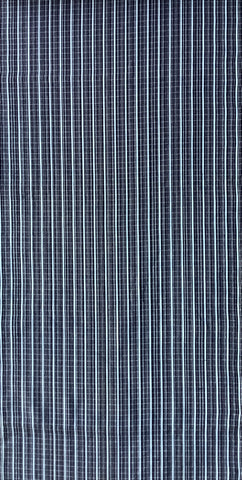
7069: 1970's Japanese Pongee Silk Ohshima Tsumugi, 38 inches
Regular price $ 12.00 Sale price $ 6.00
YokoDana Kimono
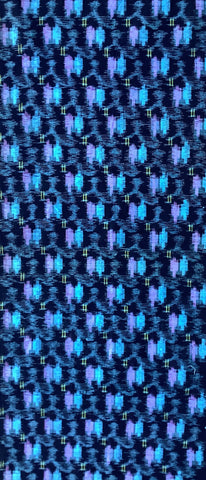
7146:1960s Japanese Kimono Silk Fabric, Arai-Hari, 59in. Piece, Pinstripes
Regular price $ 18.00 Sale price $ 9.00


YokoDana Kimono
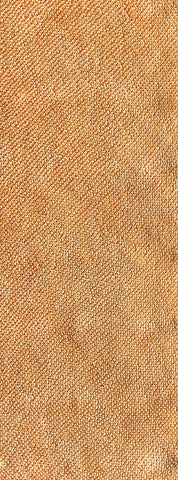
7184: 1980s Deadstock Japanese Shibori Silk Kimono Fabric 44in.Piece
Regular price $ 15.00 Sale price $ 7.50